
Porch Light Initiative
Program Structure and Timeline
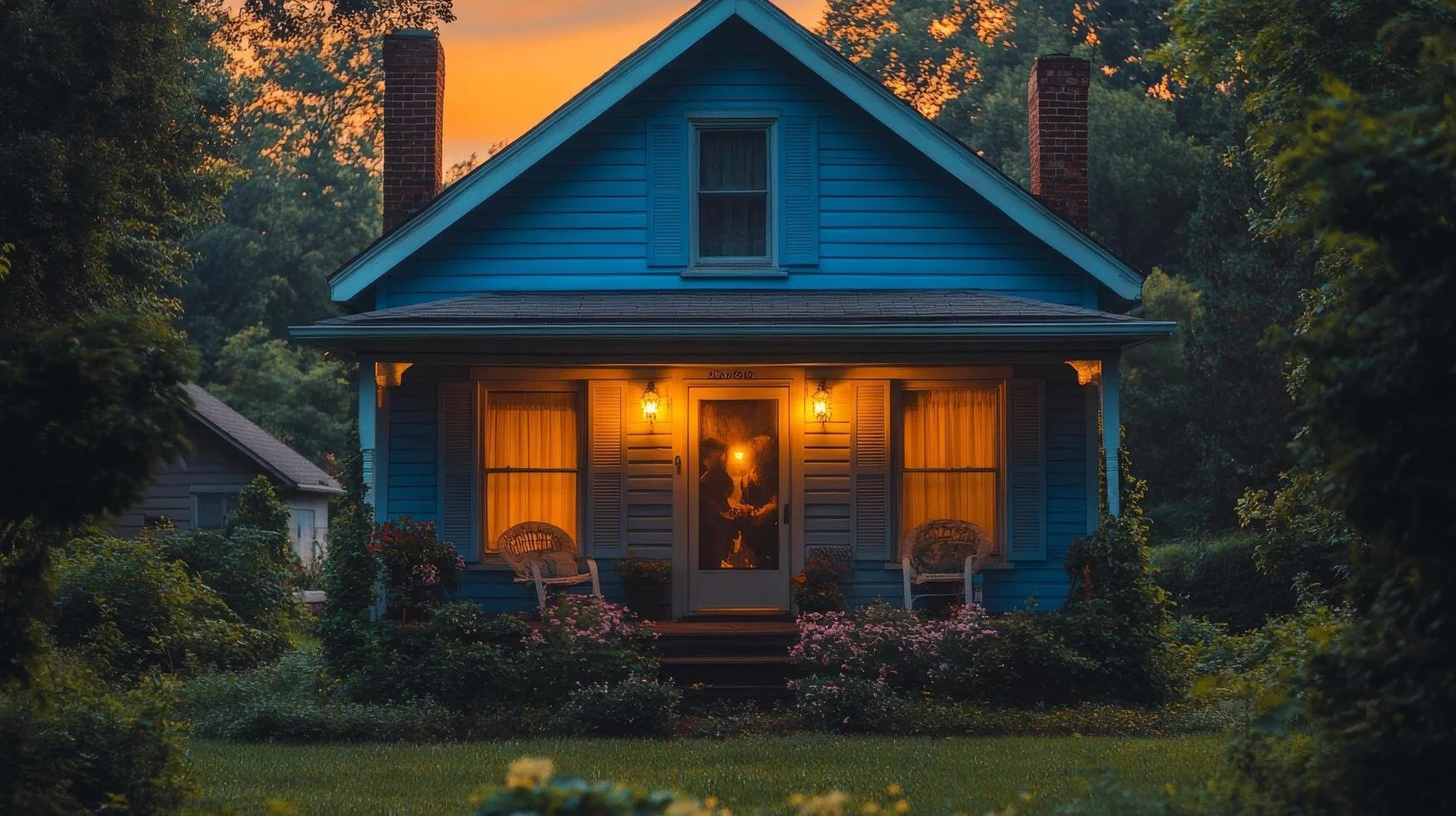
A porch light is a familiar sight in many communities welcoming neighbors to gather and share their experiences. The Porch Light Initiative (PLI) is the Rural Design Project’s primary outreach program, connecting research with rural communities across the country. Structured as a national cohort-based program, it helps communities develop and implement practical responses to local challenges. The initiative integrates human-centered design, evidence-based applied research, and economic development to advance sustainable systems change in rural communities with populations under 50,000.
Each participating community moves through a structured process that builds local capacity to identify challenges, test solutions, and move toward implementation. The program operates on an annual cycle with two phases: cohort development in the fall and community engagement in the spring.
Guiding Framework
The Porch Light Initiative is built on four core pillars that shape the program’s approach:
Sustainable Systems Change
Projects are designed to address underlying structural conditions rather than isolated symptoms. The program emphasizes durable interventions that can influence long-term community outcomes.
Human-Centered Design
Communities are trained in design methods that prioritize the experiences, needs, and insights of local residents. Solutions emerge from engagement with the people most affected by the challenge.
Evidence-Based Applied Research
The program integrates practical research methods to help communities better understand local conditions. Data collection, observation, and structured inquiry inform decision-making throughout the design process.
Economic Development
Projects focus on strengthening local economic opportunity, resilience, and quality of life, ensuring that design interventions contribute to meaningful economic outcomes for rural communities.
Application and Selection
Communities from across the United States may apply to participate in the Porch Light Initiative.
August 3 – Application deadline for communities
August 28 – Final selection of cohort, communities notified
September 10 – Cohort begins
Ten communities are selected each year to participate in the cohort.
Phase 1 – Cohort Development (September – December)
During the first four months, the ten selected communities participate in a structured learning cohort focused on human-centered design and design research methods applied to rural development challenges.
Participants complete seven facilitated workshops:
Program Orientation and Introduction to Design Research (September 10, 2026)
Empathy and Discovery (September 24, 2026)
Problem Definition (October 8, 2026)
Ideation and Concept Development (October 22, 2026)
Prototyping and Testing (November 5, 2026)
Implementation Planning (November 19, 2026)
Final Pitch (December 3, 2026)
Each session introduces multiple practical design research methods—such as behavioral mapping, stakeholder interviews, observational research, and participatory workshops—that communities can use to better understand local conditions and define their challenge.
By the end of the cohort period, each community will have progressed through the design process cycle: empathy, define, ideate, prototype, and implementation planning.
In December, each community presents its project proposal and design strategy. One community is selected to move forward into the engagement phase.
Phase 2 – Community Engagement (January – April)
From January through April, the Porch Light Initiative team works intensively with the selected community to refine the project and build local consensus around a viable intervention.
Community completes four facilitated workshops:
Stakeholder engagement and research refinement (January 13 & 27, 2027)
Design exploration and concept development (February 10 & 24, 2027)
Multi-day on-site design charrette with community stakeholders (March 7-10, 2027)
Final design development and implementation planning (April 6 & 20, 2027)
This phase functions as a months long hands-on design project, combining ongoing remote engagement with an intensive multi-day on-site visit by the Rural Design Project team. The process brings together local stakeholders, community leaders, and residents to test ideas, gather feedback, and develop a clear implementation strategy.
The engagement phase concludes with a refined project plan and an agreed-upon pathway for implementation.